Exploring the Intersection: How Open World Games Transform Real-Time Strategy Gaming
The Evolution of Gaming Genres
Gaming has undergone an incredible transformation since its inception. From simple pixelated visuals to vast open worlds with intricate storytelling, the evolution is nothing short of extraordinary. Open world games and real-time strategy games (RTS) have carved out their niches, offering players the freedom to explore and strategize in unique environments.
Understanding Open World Games
Open world games provide players with expansive freedom to explore and interact with the game world at their own pace. Titles like Grand Theft Auto V and The Witcher 3: Wild Hunt exemplify this genre, allowing for a sense of adventure that is unrivaled.
Defining Real-Time Strategy Games
Real-time strategy games differ significantly as they focus on resource management and tactical gameplay. In games like Age of Empires and StarCraft, players must make quick decisions to outmaneuver opponents.
What Happens When These Genres Meet?
The convergence of open world mechanics with RTS gameplay creates a rich tapestry of strategic possibilities. Game designers have begun exploring this intersection, reshaping how we think about both genres.
Case Studies of Successful Intersections
Several games have successfully blended these elements to create a unique player experience:
| Game Title | Description | Genre Blend |
|---|---|---|
| Empire Earth | A historical RTS game featuring expansive civilizations. | RTS with Open-World Elements |
| Anno 2070 | Combines city-building, economic simulation, and real-time strategy. | RTS with Exploration |
| Command & Conquer: Generals | Integrates modern warfare with strategic base building. | RTS with Dynamic Environments |
Key Features of Open World RTS Games
- Massive exploration areas
- Dynamic storytelling influenced by player choices
- Resource management combined with exploration
- Live interaction with NPCs and environments
The Role of Narratives in Open World RTS Games
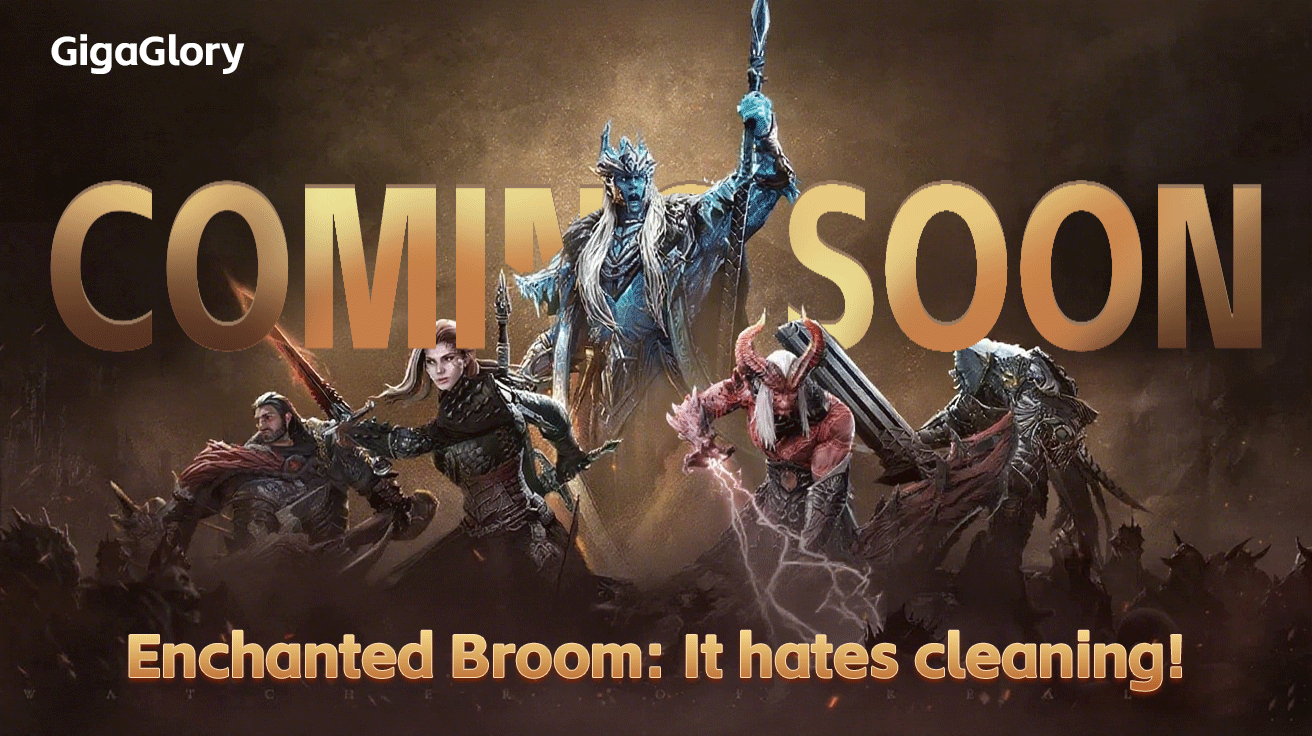
One of the most compelling aspects of this genre hybrid is how stories are told. Many players are drawn to the best story mobile games that allow for immersive narratives woven through strategic gameplay. Open world environments provide a canvas where players can shape their narratives, impacting the outcome of their missions based on choices made.
Player Engagement: How It Changes with Open World Elements
Players often report a greater sense of immersion and investment when playing open world RTS games. The feeling of being part of a living, breathing world can drive engagement levels that traditional RTS games may lack.
Spatial Strategy: The New Frontier
Spatial strategy is a phrase gaining traction within game design discussions. This approach emphasizes **utilizing space effectively** in gameplay. It requires players to think about the geographical layout of the game world, considering terrain and resources in strategies. Integrating this concept can dramatically alter the strategies employed in RTS gameplay.
Community Feedback and Player Reactions
As developers introduce these hybrid mechanics, player feedback becomes vital. Many gamers express excitement about the potential for new adventures within their familiar strategic frameworks. Online forums and gaming communities buzz with discussions about desired features, potential improvements, and future directions for genre-blending.
Challenges in Combining Open World and RTS Elements
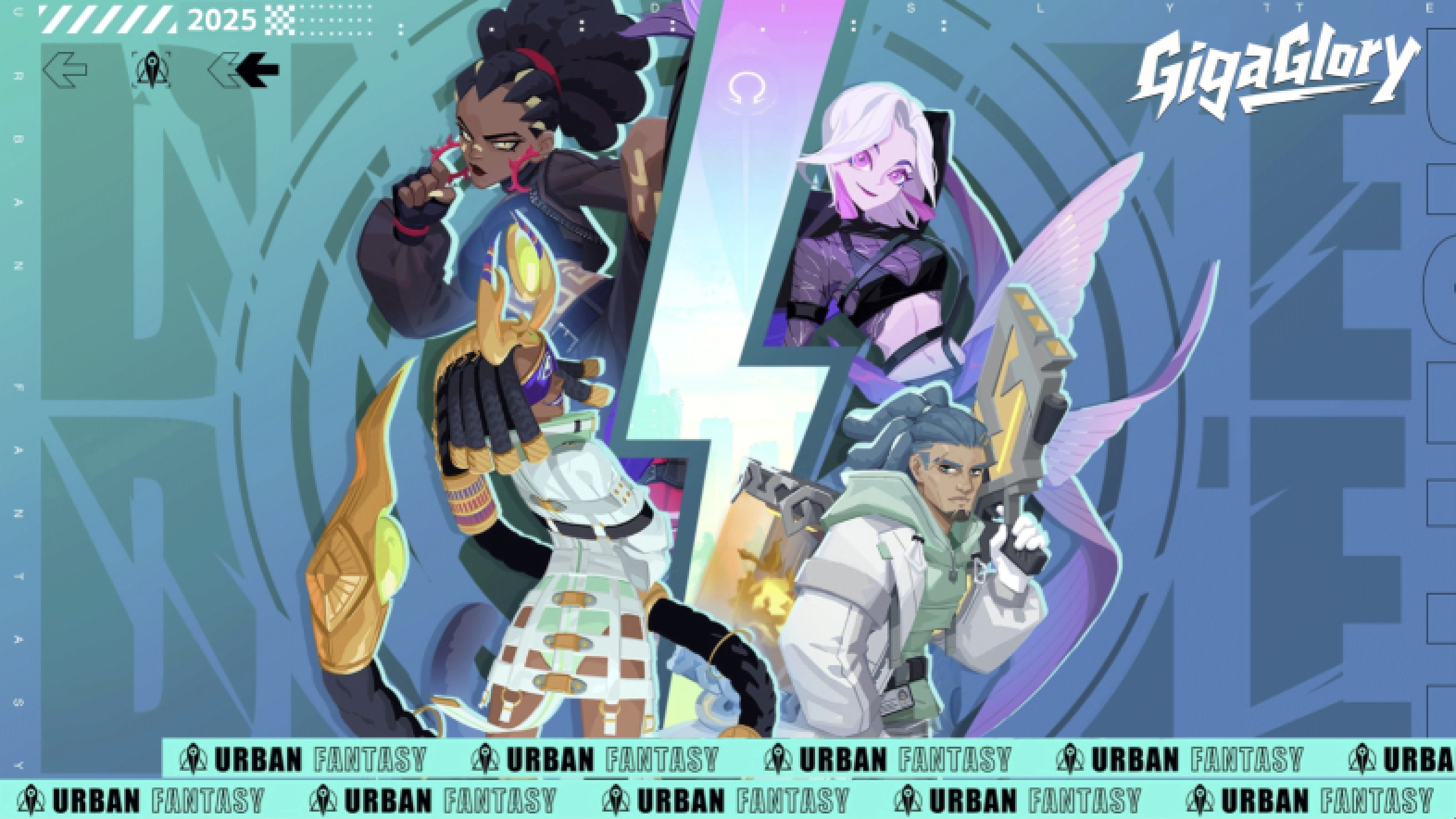
Despite the excitement surrounding these games, incorporating open world mechanics into traditional RTS frameworks does not come without challenges. Balancing resource management with open exploration can be tricky:
- Maintaining game balance
- Ensuring fluid gameplay
- Managing UI complexity
Designing the Ideal Open World RTS Game
Designers aiming to create the ultimate open world RTS must consider all the discussed elements. They should strive for:
- Intuitive UI
- Engrossing storylines
- Rich environments for exploration
The Future of Gaming: Blending Genres
The gaming industry is constantly evolving, and the blending of genres appears to be a promising path forward. As players seek out fresh experiences and deeper engagement, we are likely to see more innovative integrations of open world and RTS elements.
Conclusion
In summary, the intersection of open world games and real-time strategy gaming is a fascinating area that has much to offer both developers and players alike. Success stories already demonstrate the potential for rich, nuanced gameplay that defies traditional genre boundaries. As the gaming landscape continues to evolve, it is only a matter of time before we discover new frontiers in player engagement, strategy, and narrative that challenge our perceptions of what games can be.