Why Casual Games Are Revolutionizing Real-Time Strategy Gaming
In recent years, we’ve seen a fascinating evolution in the world of gaming, where casual games are not just a genre but are influencing even the most complex fields like real-time strategy (RTS) games. But why is this happening? And how are these seemingly simpler games changing the landscape of traditional strategy gaming? Let’s delve deeper into this intriguing phenomenon.
The Rise of Casual Games
Casual games are designed to be easy to pick up and play, making them accessible to a broad audience. Unlike traditional RTS games that often require hours of commitment and extensive knowledge, casual games allow players to enjoy quick sessions without a steep learning curve. Titles like Candy Crush, Among Us, or even mobile versions of classic board games have paved the way for a new generation of gamers.
Accessibility and Engagement
One of the biggest draws of casual games is their accessibility. Players can engage with these games on the go, during lunch breaks, or while in transit. They cater to a lifestyle that doesn’t always allow for lengthy gaming sessions. This helps to build a massive audience base, paving the way for developers and publishers to explore and experiment with design elements that can also benefit RTS titles.
Learning from Mechanics
What sets casual games apart are their mechanics. Simple gameplay loops paired with immediate feedback keep players engaged and returning for more. RTS games can learn from these mechanics, incorporating shorter, more dynamic sessions that resonate with today’s 'on-the-go' gaming culture. Imagine an RTS game that allows you to battle in five-minute increments—this might lure in more casual gamers.
Incorporating Casual Elements into RTS
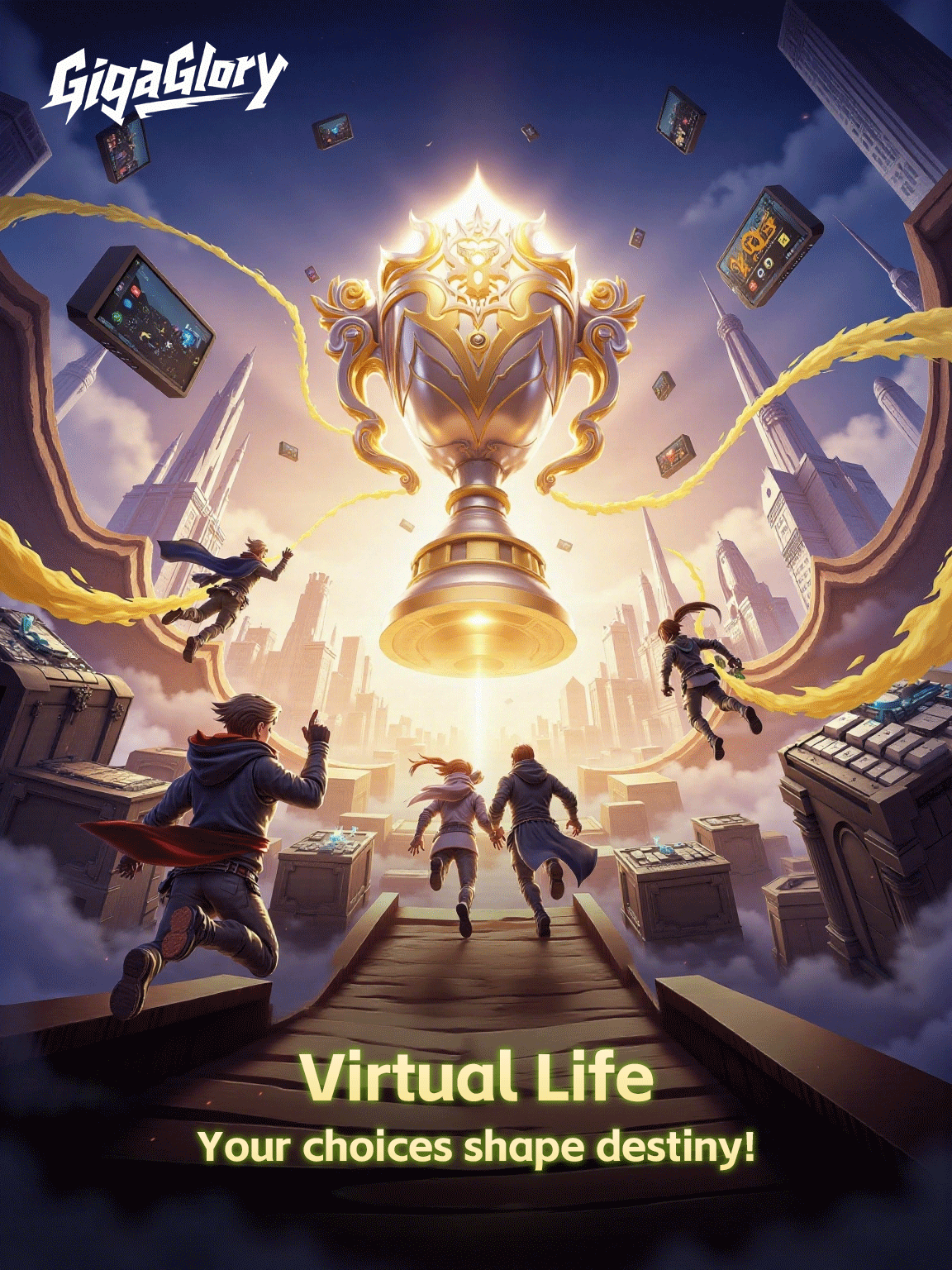
Many developers are beginning to merge casual elements into their RTS games. For instance, games like Clash of Clans successfully blend strategic gameplay with casual components, keeping players engaged without overwhelming them. This intersection allows for smoother transitions for players who might feel intimidated by the depth of traditional RTS mechanics.
Community and Social Dynamics
Casual games inherently encourage social interaction. They often have integrated mechanics for friends and community engagements, making multiplayer experiences a breeze. RTS games can significantly benefit from this social aspect. Adding features like cooperative missions or community challenges can help engage players and foster a sense of belonging, essential for both casual and hardcore gamers.
The Impact of EA Sports FC 25 Release
One notable example in the gaming landscape is the EA Sports FC 25, which offers aspects appealing to both casual and serious gamers alike. By defining gameplay in approachable terms while retaining depth for seasoned players, EA has paved the way for a new kind of interaction between casual and hardcore gamers.
Embracing Quick Battles

Imagine RTS games featuring quick battle modes where players can jump in for a few minutes rather than committing to longer matches. This approach mirrors casual game structures, encouraging both strategy and flexibility. Players could experience the thrill of decision-making without extensive downtime, revolutionizing their experience.
Making Strategy Fun Through Gamification
- Short tutorials: Brief tutorials can familiarize players with the game's mechanics without overwhelming them.
- Reward systems: Casual games focus on rewarding players frequently, and RTS games can adopt similar models to incentivize gameplay.
- Visual aesthetics: Bright, engaging graphics are a hallmark of casual games—taking cues from these designs can attract more players.
The Community-Driven Evolution
The rise of online platforms means that casual games are often enhanced through community input. RTS games can humbly adopt this practice, leading to well-rounded enhancements driven by player feedback rather than solely developer vision. This inclusion can align casual games’ user-centric development with RTS, enhancing the gameplay experience considerably.
Conclusion: The Future is Collaborative
As we move forward, the line between casual games and RTS is becoming increasingly blurred. Casual games have redefined what it means to engage with gameplay and strategy. The future of real-time strategy may very well be a harmonious blend of fun and depth, driven by community feedback and the ever-increasing demand for accessibility. By embracing these changes, developers have a unique opportunity to reinvent the genre and attract new players while retaining the beloved elements of traditional RTS gaming.
| Casual Game Features | RTS Game Potential |
|---|---|
| Quick gameplay sessions | Shortened missions/levels |
| Vibrant, engaging visuals | Enhanced graphics design |
| Frequent rewards | Incentivized gameplay loops |
| Social engagements | Community-driven missions |